Best Cat Water Fountain: A Practical Buying Guide
There is no single best cat water fountain for every household. The right model depends on your cat’s drinking habits, the number of cats in your home, the material you are comfortable with, and how much time you can realistically spend on cleaning. This guide sorts through the marketing claims, explains what the research actually shows, and walks you through the criteria that separate a genuinely useful fountain from a frustrating one.
In short: a fountain is worth considering if your cat drinks little, ignores still water, or you want fresher water available around the clock. But a fountain is not a cure-all. The best option is the one that fits your cat’s behavior and your maintenance routine — not the most expensive one.
- Why running water matters (and what the studies really found)
- The seven criteria that shape every good choice
- Which fountain type fits your cat’s specific needs
- How we compare models transparently — and what we never publish
- A practical cleaning and filter checklist
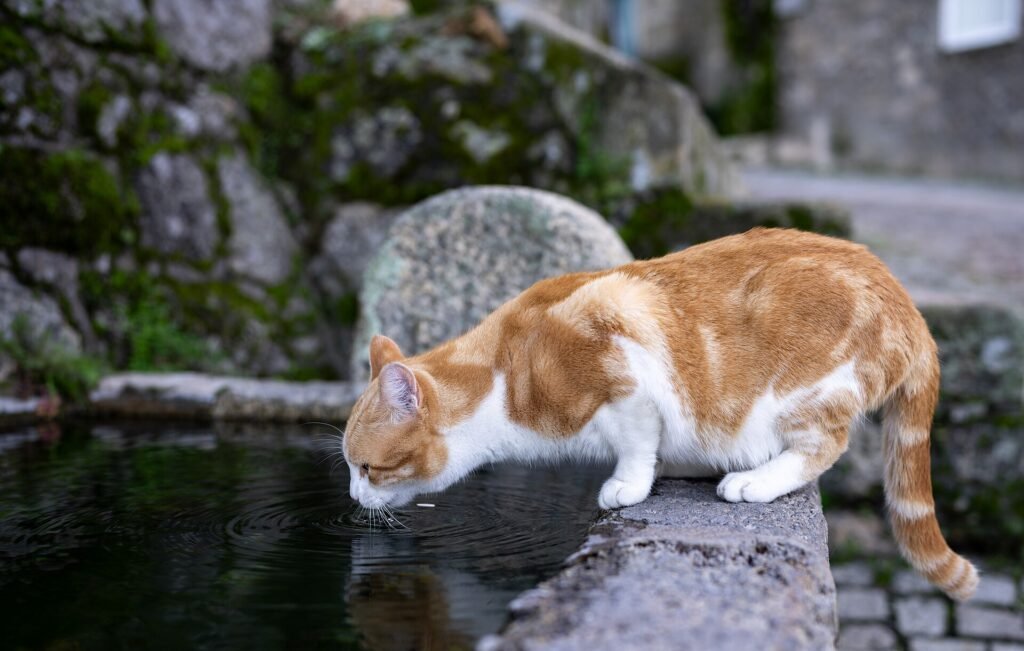
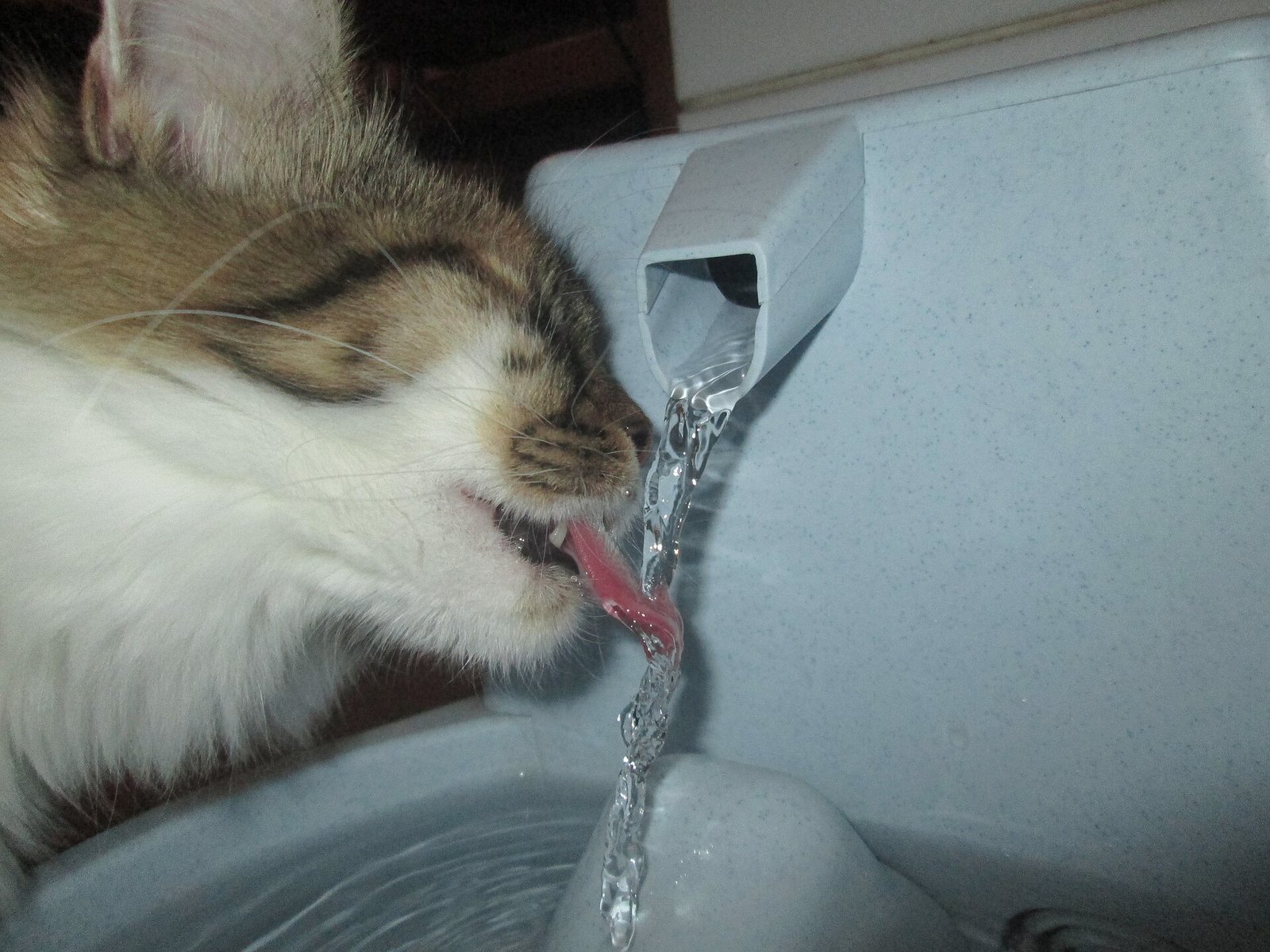
Featured image: Photo by User:Charvex · PUBLIC DOMAIN
Why Cats Drink More From Running Water
Cats evolved from desert-dwelling ancestors and have a naturally low thirst drive. On a diet of dry kibble, they can fall short of their daily water needs, and low water intake is linked to urinary tract problems, bladder crystals or stones, and kidney disease, according to VCA Animal Hospitals.
The stakes rise as cats age. Cornell University’s Feline Health Center reports that chronic kidney disease affects up to 40% of cats over age 10 and up to 80% of cats over 15, and that maintaining hydration is a central part of managing the disease. Cornell also notes that many cats prefer drinking from water fountains.
Yet the evidence for fountains is more modest than advertising suggests. In a 2010 pilot study published in the Journal of Veterinary Behavior, nine cats were offered still and flowing water. Average intake was slightly higher from the flowing source, but the difference was not statistically significant, and individual cats showed strong personal preferences rather than a clear group preference. In plain terms: some cats will drink more from a fountain, and others will not — it depends on the individual cat.
That is the honest baseline for any buying decision. A fountain is one useful tool alongside wet food, several fresh water bowls in different rooms, and a consistently clean drinking area.
How to Choose the Best Cat Water Fountain: Key Criteria
Before you compare specific models, decide what you are optimizing for. These seven criteria will shape every good decision and help you filter out the options that look impressive but don’t fit your home.
1. Material: Stainless Steel, Ceramic, or BPA-Free Plastic
Material is the first and most important decision because it affects hygiene, durability, and long-term maintenance.
- Stainless steel: non-porous, dishwasher-safe, and resistant to scratches and bacteria. It is heavier and usually more expensive, but it holds up well over years of use. VCA Canada notes that switching to non-porous surfaces such as stainless can help resolve feline chin acne in some cats.
- Ceramic: non-porous when properly glazed and visually appealing, with a heavy base that resists tipping. The trade-off is fragility — chips and cracks can harbor bacteria, so inspect the surface regularly.
- BPA-free plastic: light and affordable, but plastic scratches over time and those scratches trap bacteria and debris. If you choose plastic, inspect it frequently and replace it as soon as the surface shows wear.
| Material | Hygiene | Durability | Maintenance | Best for |
|---|---|---|---|---|
| Stainless steel | Non-porous, resists bacteria | Very durable | Dishwasher-safe, easy | Hygiene-focused households |
| Ceramic | Non-porous if glazed and un-cracked | Heavy but can chip | Easy, handle with care | Style-conscious homes and tipping-prone cats |
| BPA-free plastic | Scratches can trap bacteria | Light, less durable | Easy, but replace when scratched | Budget and portability |
2. Capacity and Number of Cats
VCA gives a useful baseline: healthy cats need roughly 4 ounces of water per 5 pounds of body weight each day — about 8 ounces for a 10-pound cat. Part of that water comes from food, so the total depends on diet. For multi-cat homes, choose a reservoir large enough that you are not refilling daily, and prefer a wide, shallow drinking surface so whiskers do not brush the rim.
3. Noise Level
Pump noise is the most common complaint about cat fountains. Quiet operation matters for bedrooms, home offices, and cats that startle easily. Look for models with adjustable flow and pumps designed for low noise, and place the unit away from walls where vibration can amplify the sound.
4. Filter System and Running Costs
Most fountains use a multi-layer filter — typically foam, activated carbon, and sometimes ion-exchange resin — to capture hair, debris, and odors. Filters are a recurring expense, and most manufacturers recommend replacing them every 2 to 4 weeks. Factor replacement costs into your budget before you buy, and confirm the filters are easy to find in your area.
5. Cleaning and Maintenance
A fountain that is difficult to clean will quickly become a hygiene problem instead of a solution. Choose models that fully disassemble into a few parts, with dishwasher-safe components where possible. VCA recommends cleaning the filter weekly or as directed by the manufacturer.
6. Power Source: Corded vs. Cordless
Corded fountains are simple and reliable. Cordless models run on rechargeable batteries and can be placed anywhere — many include motion-activated flow to save power. The trade-offs are a recharging schedule and, often, a smaller reservoir.
7. Safety Features Worth Looking For
- Low-water shutoff to protect the pump from running dry
- A non-slip base so the fountain stays put
- A chew-resistant cord for persistent nibblers
- Parts that drain and dry completely, so water never pools in hidden crevices
Match the Fountain to Your Cat’s Needs
Once you have set your criteria, narrow the field by use case. Our buying guides on the blog cover specific models in each category; here is how to frame the decision before you open a product page.
- Best cat water fountain for indoor cats: prioritize a compact footprint, low noise, and a reservoir sized for apartment life.
- Best cat water fountain for multiple cats: look for a large reservoir and a wide drinking area so several cats can drink without crowding.
- Best cat water fountain for picky cats: try a different material or flow style — some cats strongly prefer a particular type of water presentation.
- Best stainless steel cat water fountain: choose this when hygiene is your top priority and you want a durable, scratch-resistant surface.
- Best quiet cat water fountain: focus on pump quality and adjustable flow for bedrooms and offices.
- Best cordless cat water fountain: ideal when no outlet is nearby or you want to move the fountain between rooms.
- Best cat water fountain with filter: relevant if you are concerned about hair, dust, and odors in the water.
- Best automatic cat water fountain: smart features such as water-level alerts and usage tracking can help you monitor intake, though they add cost and complexity.
Explore our buying guides for model-level comparisons organized by these needs.
How We Compare Fountains — and What We Won’t Do
This site is an Amazon affiliate publication, which means we may earn a commission when you buy through links we share, at no extra cost to you. That is exactly why transparency matters. Please read our full affiliate disclosure and editorial policy.
Our comparison method is straightforward:
- Define the need. Which use case, material, and capacity fit your household?
- Compare criteria. We evaluate capacity, noise, filtration, cleaning ease, and safety features against published specifications.
- Verify current details. Prices, availability, and stock change constantly. Always confirm the current price and shipping terms on the retailer’s page before purchasing.
We do not publish invented ratings, test scores, or hands-on verdicts we cannot back up. When we reference health guidance, we cite veterinary organizations such as VCA and Cornell. You can learn more about the site’s purpose on our about page.
Care and Cleaning Checklist
Buying a fountain is the easy part; maintaining it is what keeps it safe for your cat.
- Daily: top off the water and confirm the pump flow looks normal.
- Weekly: fully disassemble, wash all parts with mild soap and hot water, rinse thoroughly, and refill with fresh water.
- Filters: replace every 2 to 4 weeks, or as directed by the manufacturer — more often in multi-cat households.
- Watch for: slime or algae on surfaces, mineral buildup, and scratched plastic, all of which signal that the fountain needs a deeper clean or replacement.
Frequently Asked Questions
Do cat water fountains really make cats drink more?
Sometimes. The best available study — a 2010 pilot with nine cats — found slightly higher average intake from flowing water, but the difference was not statistically significant and individual preferences varied widely. Many cats do drink more from running water, but it is not guaranteed for every cat.
Are stainless steel cat water fountains better than plastic ones?
For hygiene, yes. Stainless steel is non-porous, resists scratches, and is easier to keep clean. Veterinary sources note that non-porous bowls can help with feline chin acne, which is sometimes associated with plastic dishes.
How often should I clean a cat water fountain?
Most veterinary guidance suggests a full clean at least weekly and filter replacement every 2 to 4 weeks, or as directed by the manufacturer. Multi-cat households may need more frequent cleaning.
Can a water fountain help a cat with kidney disease?
Hydration is important in managing chronic kidney disease, and Cornell notes many cats prefer fountains. But a fountain is not a treatment. Follow your veterinarian’s advice on diet, fluids, and monitoring.
Are cordless cat water fountains worth it?
They are useful when no outlet is nearby or you want to move the fountain between rooms. The trade-offs are recharging schedules and, often, smaller reservoirs.
Sources
Health and care guidance in this article draws on the following sources: