Best Automatic Cat Water Fountain: How to Choose the Right One
The best automatic cat water fountain is not one specific model — it is the fountain that fits your cat’s drinking habits, your home setup, and the amount of maintenance you can realistically keep up with. An automatic fountain uses a small pump to circulate water continuously through a filter, so your cat always has fresh, moving water instead of a still bowl that goes stale by midday. Because cats have strong individual preferences, the smartest approach is to compare a short list of criteria — material, pump noise, capacity, filter type, cordless operation, and cleaning ease — before you look at any product page. This guide walks through each of those criteria in plain terms. If you want the full picture first, start with our complete cat water fountain buying guide, then return here for the details that matter most with automatic models.
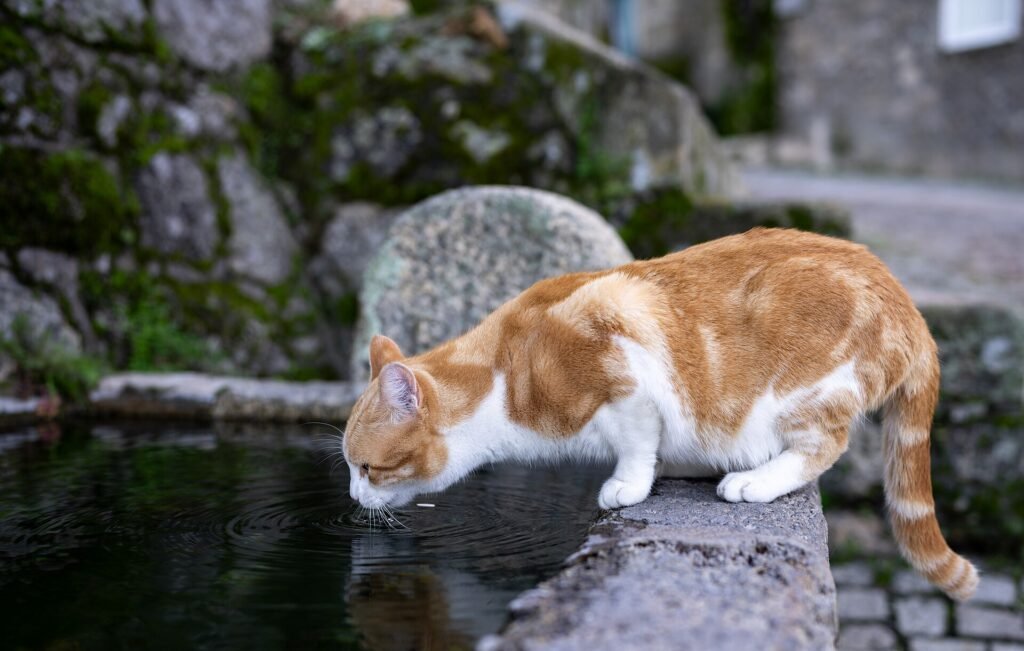
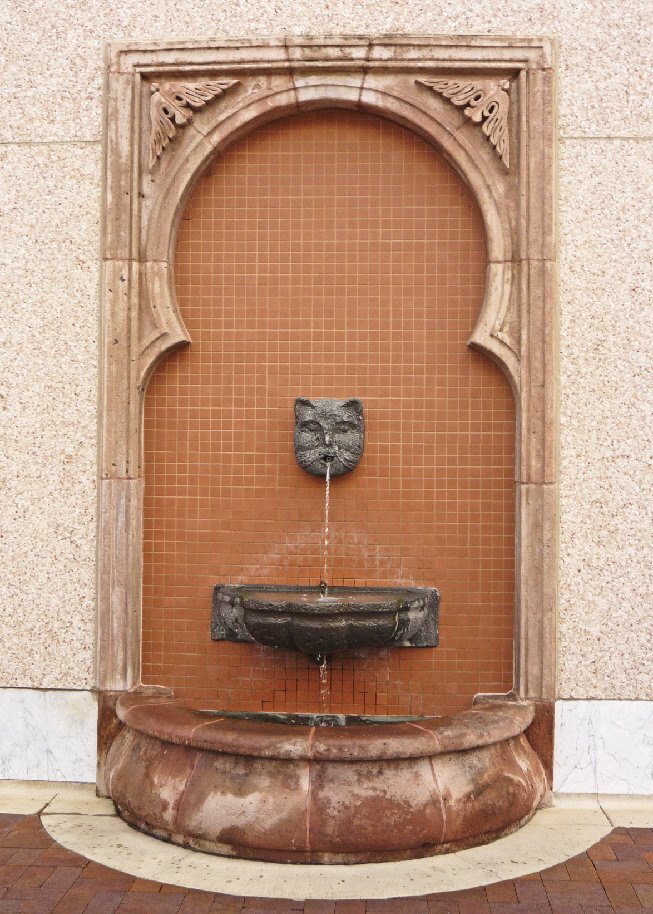
Featured image: Photo by Giraldillo · CC BY-SA 4.0
Why Many Cats Drink More from Moving Water
Domestic cats evolved from desert ancestors whose bodies were built to get moisture from prey rather than from drinking, according to VCA Animal Hospitals. That background means many cats are simply not motivated to drink from a bowl, and chronically low water intake is linked to bladder crystals, urinary tract infections, and kidney disease. For this reason, encouraging water intake is a genuine health goal, not a marketing gimmick.
The Cornell Feline Health Center recommends that cats consume about 4 ounces of water per five pounds of lean body weight per day — roughly one cup for an average 10-pound cat. Crucially, Cornell notes that cats eating wet food (which can be up to 80% water) may drink less, while dry-food cats usually get more of their daily requirement from drinking.
On the question of fountains, the veterinary evidence is honest about its limits: Cornell states that some cats increase their water intake when provided with a fountain, but individual preferences vary. In other words, a fountain is worth trying — many cats are drawn to the sight and sound of moving water — but it is not a guarantee for every cat. What a fountain reliably does is keep water filtered, aerated, and fresh, which removes two common reasons cats refuse to drink: stale taste and standing water.
What “Automatic” Means in a Cat Water Fountain
Before comparing products, it helps to know what an automatic fountain actually contains and what it does and does not do.
- A pump recirculates water from a reservoir through the top drinking surface. This is the part that creates the flowing stream or bubbling fountain effect.
- A filter sits in the water path. Most use a triple-action design with a cotton mesh layer for hair and debris, activated carbon for odor and impurities, and ion exchange resin to soften hard water by reducing calcium and magnesium, as Catit describes for its filters.
- Extras vary by model: some add flow modes, low-water indicators, night lights, cordless battery operation, or app connectivity on premium models.
One clarification worth making: “automatic” does not mean self-cleaning. Some newer models advertise self-cleaning cycles, but every fountain still needs regular filter replacement, disassembly, and washing. Treat self-cleaning claims as a feature to verify in the manual, not a reason to skip maintenance.
What to Compare Before You Choose an Automatic Fountain
Work through these six criteria in order, and most of the confusion disappears. You can also see how we organize these same factors in our guide to comparing cat water fountain models.
1. Fountain Material: Stainless Steel, Ceramic, or Plastic
Material affects hygiene, durability, and how often you will want to clean the unit. VCA notes that cats generally prefer glass, metal, or ceramic bowls over plastic, and the same logic applies to fountains.
| Material | What it offers | What to weigh |
|---|---|---|
| Stainless steel | Non-porous, resists odor, easy to sanitize, durable, dishwasher-safe in most cases | Can be heavier on the counter; you can see water level less easily than in clear plastic |
| Ceramic | Non-porous, stable and heavy, wide choice of colors and styles | Can chip or break if dropped; heavier to lift and clean |
| Plastic (BPA-free) | Lightweight, affordable, clear models show water level | Porous over time, can retain odor and develop scratches where bacteria hide |
For most households, stainless steel is the most straightforward long-term choice because it is simple to sanitize and does not hold smells. We cover the trade-offs in depth in our dedicated stainless steel cat water fountain guide.
2. Pump Noise and Reliability
The pump runs 24/7, so noise matters more in a bedroom or small apartment than in a large living area. Look for models marketed with low-noise pumps and check the decibel claims in the product listing — then read owner feedback about whether the noise stays low after weeks of use, since pumps can get louder as they collect debris. A quiet pump is especially important for skittish or senior cats that avoid loud appliances.
3. Water Capacity and Refill Frequency
Capacity is measured in liters or ounces. A larger reservoir (roughly 2.5 liters or more) means fewer refills and more buffer when you travel or work long hours. Multi-cat households usually benefit from the largest capacity they can fit, because cats may drink more when they do not have to compete. The trade-off is a bigger footprint and heavier cleaning. For indoor-only cats, placement and floor space often decide this choice — see our guide to fountains for indoor cats for placement tips.
4. Filter Type and Replacement Cost
Filters do the actual water-cleaning work, so check what the filter contains and how often it must be replaced. Most manufacturers recommend replacement about every 30 days; Catit, for example, recommends replacing its triple-action filters every 30 days for best results. Before you commit to a model, check the price and availability of its replacement filters — a cheap fountain with expensive, hard-to-find filters can cost more over a year than a pricier one with standard replacements.
5. Corded vs. Cordless Operation
Corded fountains must sit near an outlet, which limits placement options. Cordless (battery or rechargeable) models give you freedom to move the fountain around — useful for picky cats that change where they drink, or for households without convenient outlets. The trade-off is that battery models must be recharged periodically, and you need to track charge status so the fountain never runs dry in the middle of the day.
6. How Easy Is It to Clean?
This single factor determines whether a fountain stays in use. A fountain you dread cleaning will get cleaned less often, and a dirty fountain defeats the entire purpose. Look for designs with few parts, wide openings you can reach into, and components that are dishwasher-safe. Models with narrow crevices or many small pieces are harder to keep hygienic no matter how good the pump is.
Matching a Fountain to Your Household
Once the criteria are clear, match them to your situation:
- Single indoor cat: a mid-size stainless steel fountain with a quiet pump is usually enough, and it keeps odor and cleaning effort low.
- Multiple cats: prioritize capacity and a stable base; consider placing two smaller fountains in separate rooms so no cat is blocked from water, which Cornell lists as a real risk in multi-cat homes.
- Picky or sink-loving cats: models with a choice of flow modes (stream vs. bubbling) let you find the style your cat actually drinks from.
- Senior or health-compromised cats: choose low-noise, low-rim designs that are easy to reach, and always discuss hydration changes with your veterinarian first.
How to Keep an Automatic Fountain Safe and Clean
A fountain only helps if it stays clean. VCA recommends washing and rinsing bowls daily to avoid bacteria buildup, and for fountains it advises cleaning the filter weekly or as directed. A practical routine looks like this:
- Top off or refresh the water every day, and rinse the visible surfaces.
- Once a week, disassemble the fountain and wash every part with warm, soapy water; rinse thoroughly so no soap residue reaches the water.
- Replace the filter on the schedule in your model’s manual (typically about every 30 days).
- Check the pump inlet for hair and debris each time you clean, since a clogged pump is the most common reason fountains get noisy or stop flowing.
If you notice a slimy film on the reservoir or a persistent odor even after cleaning, disassemble and sanitize all parts, replace the filter, and confirm your water source is not the problem. Hard water can leave mineral buildup, which is exactly the type of deposit that ion-exchange resin in good filters helps reduce.
How We Compare Automatic Cat Water Fountains
We deliberately avoid inventing rankings, test scores, or “winners,” because the right fountain depends on your household. Instead, we organize information around the criteria above — material, pump, capacity, filter, power, and cleaning — so you can compare models against your own priorities. Our approach is documented in full in our editorial policy, and it covers how we handle sponsored links and when you should double-check current product details, prices, and availability before purchasing.
Because product lines change and prices fluctuate, treat any product page as a snapshot. Verify the latest specifications, filter costs, and stock status at the time you buy. If we link to products on this site, those links may be affiliate links, and you can read exactly how that works in our affiliate disclosure.
Frequently Asked Questions
Do automatic cat water fountains actually make cats drink more?
Some cats drink more from a fountain, but results vary by individual. The Cornell Feline Health Center notes that fountains increase water intake in some cats while individual preferences differ, so a fountain is worth trying — especially for cats that already show interest in running taps — but it is not a guarantee for every cat.
How often should I change the filter in a cat water fountain?
Most manufacturers recommend replacing filters about every 30 days. Catit recommends every 30 days for its triple-action filters, and VCA advises cleaning the filter weekly or as directed. Always follow the schedule in your specific model’s manual, since filter life depends on water hardness and how many cats use the fountain.
Is stainless steel or plastic better for a cat water fountain?
Stainless steel is generally the more hygienic choice because it is non-porous, resists odor, and is easy to sanitize. Plastic is lighter and often cheaper, but it can develop scratches and retain smells over time. VCA notes that cats generally prefer metal, ceramic, or glass bowls over plastic, and the same preference often carries over to fountains.
Can I leave an automatic cat water fountain running all day?
Yes — that is how most automatic fountains are designed to be used. Keep the reservoir topped off so the pump never runs dry, clean the unit regularly to prevent bacterial buildup, and replace filters on schedule. A pump that runs dry is the most common cause of early fountain failure.