The best cat water fountain for indoor cats is the one that fits how your cat drinks, where it can be placed, and how much upkeep you are willing to manage — not necessarily the most expensive or most feature-heavy model. Indoor cats often drink less than they should because still water is easy to ignore, and a circulating fountain works with that instinct rather than against it. This guide walks through the real criteria — material, capacity, noise, filtration, and cleaning — so you can narrow the options before you compare specific products.
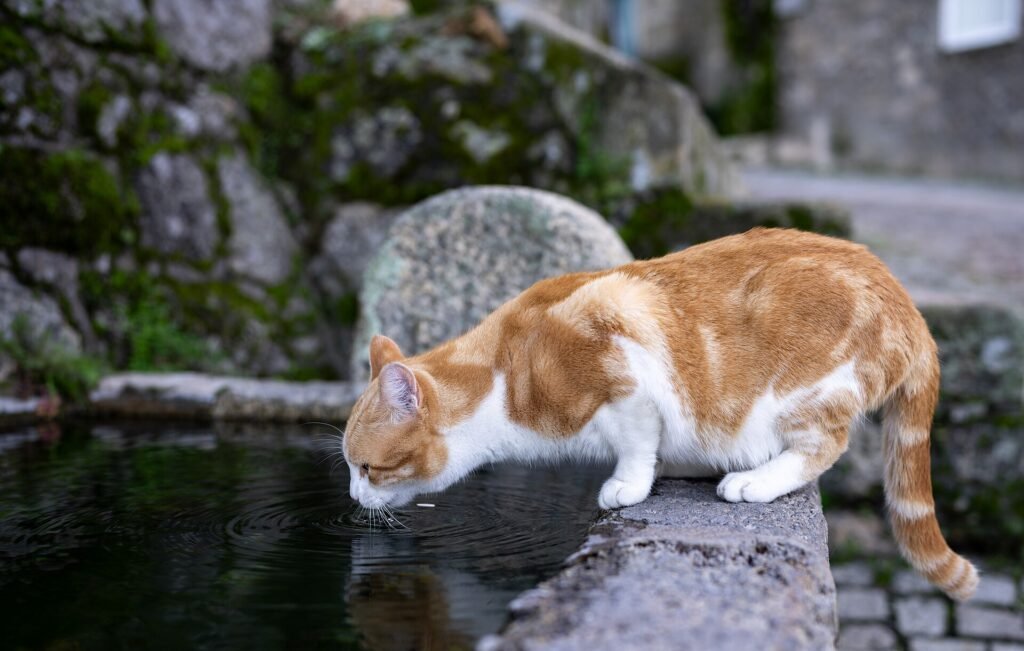
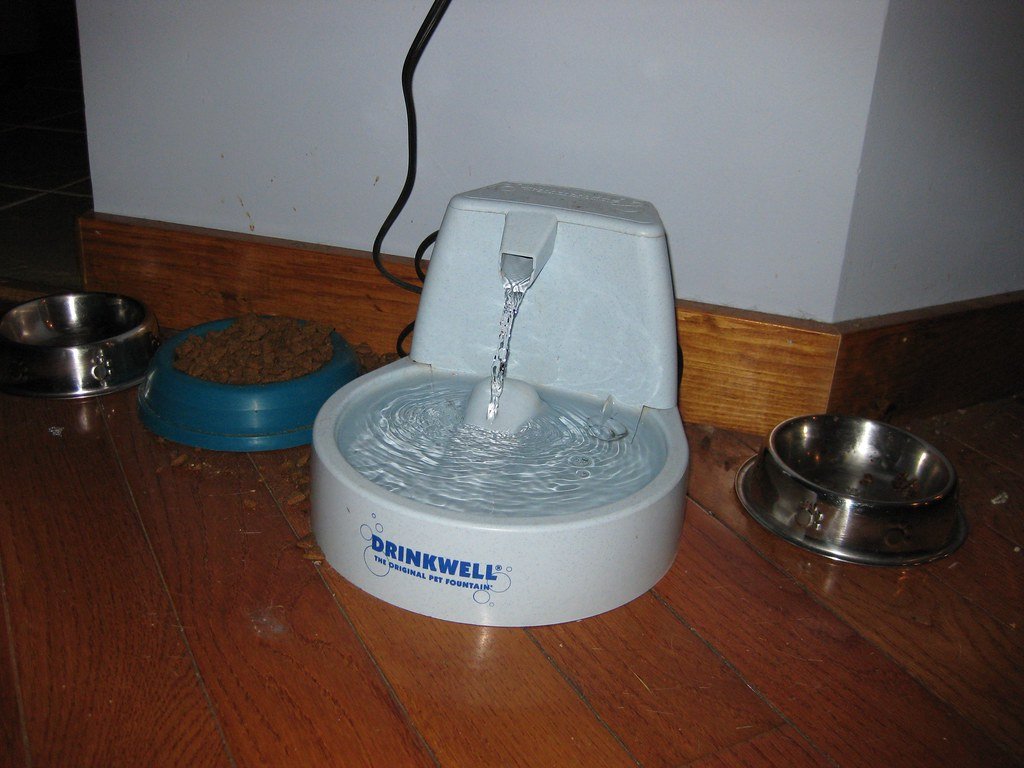
Featured image: Photo by monkeywing · BY
Why indoor cats drink more from a moving water source
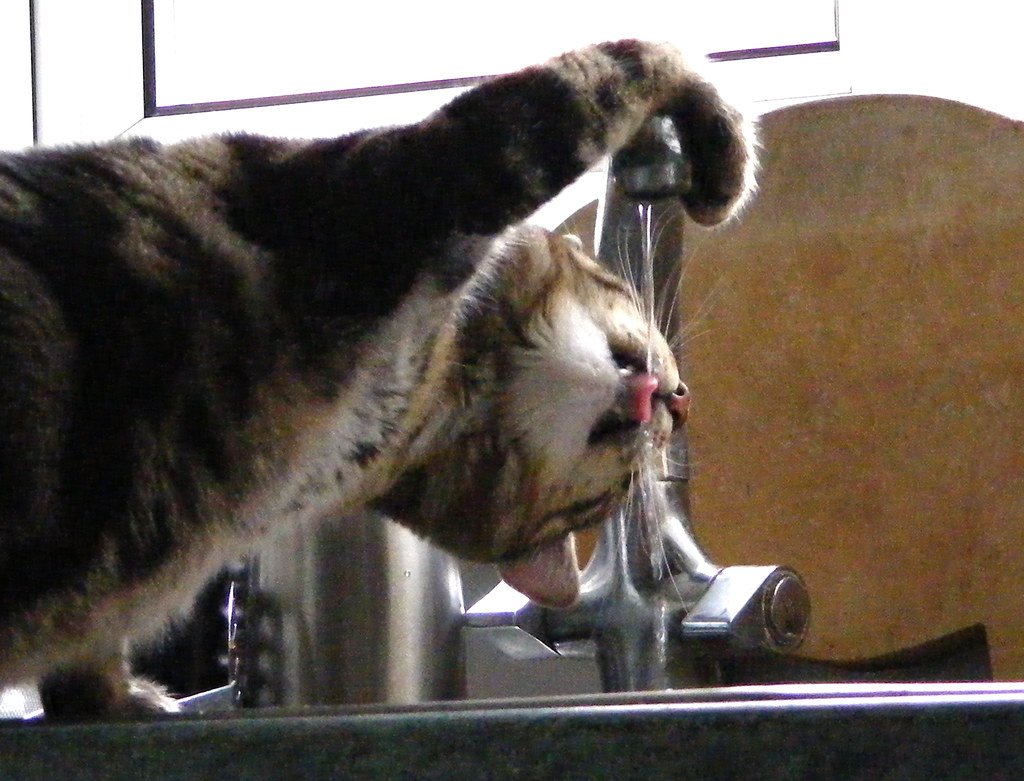
Cats evolved as desert animals with a naturally low thirst drive, and many indoor cats rely on food plus whatever water is left out to stay hydrated. Still water in a bowl can also pick up dust, hair, and an odor that many cats find unappealing, which is why some turn to sinks or faucets instead. A fountain keeps water moving and aerated, which many cats find more interesting and fresher-tasting. For cats prone to urinary or kidney issues, encouraging more water intake is one of the simplest preventive steps a household can take.
If you are still deciding whether a fountain is worth it at all, our Best Cat Water Fountain: A Practical Buying Guide covers the general case. This article focuses specifically on indoor cats and the trade-offs you will actually weigh.
What to look for in a cat water fountain
Before looking at any specific model, define your must-haves. Every fountain balances the same four variables, and the right combination depends on your home.
Material: stainless steel vs. plastic vs. ceramic
Material is the biggest single decision. Stainless steel is widely recommended because it is non-porous, resists bacterial buildup, does not scratch as easily as plastic, and is less likely to harbor odors. Plastic fountains are usually cheaper and lighter, but they scratch over time, and those scratches can trap bacteria and odor. Ceramic fountains sit in between: they are heavy, stable, and dishwasher-friendly, but they can chip. For most indoor households, a stainless steel model offers the best balance of hygiene and durability, though it is usually heavier and slightly pricier.
Capacity and how many cats you have
Capacity matters because it dictates how often you refill. A rough rule of thumb is that a cat drinks several ounces of water per day, so a 3 to 4 liter (about 100 to 135 ounce) reservoir suits one to three cats and keeps you from topping up daily. If you have a single cat and a small kitchen, a compact 1.5 to 2 liter fountain may be plenty. Larger fountains take up more counter space, so measure the spot before you commit.
Noise level
Pump noise ranges from a soft trickle to a noticeable hum. If the fountain sits in a bedroom or a small apartment, look for models marketed as ultra-quiet and check for pumps with dry-run protection, which shuts the pump off before it runs dry and gets louder. Cordless fountains are often the quietest option because the pump is separate and can be placed freely.
Corded vs. cordless
Corded fountains must sit near an outlet and can create a cable that curious cats might chew. Cordless, battery-operated fountains run on a rechargeable battery and can be placed anywhere — useful if your cat prefers drinking away from walls or near its food. The trade-off is that you must recharge the battery periodically, usually every few weeks depending on the model and usage.
Filtration
Most fountains use a layered filter with a pre-filter sponge and an activated carbon core to catch hair and debris, reduce odors, and improve taste. Filters are a recurring cost and need replacing on a schedule — often every two to four weeks for the carbon filter and less frequently for the foam sponge. Check how easy the filter is to source before buying, because a great fountain with hard-to-find filters becomes an inconvenience fast.
Comparing fountain types side by side
Once you know the criteria, compare the main configurations. No single type is best for everyone, and price, weight, and maintenance vary widely within each category.
| Type | Best for | Watch out for |
|---|---|---|
| Stainless steel, corded | Hygiene-focused homes; long-term durability | Heavier; needs a nearby outlet |
| Stainless steel, cordless | Flexible placement; cats near food or away from walls | Recharging routine; higher upfront cost |
| Plastic | Budget first-time buyers; lightweight travel | Scratches that trap odor and bacteria |
| Ceramic | Stable, heavy bowls; dishwasher-friendly | Can chip; often smaller capacity |
| Large multi-pet capacity | Two or more cats; less frequent refills | Takes more space; more water to change |
How to choose by your cat’s needs
Different cats have different drinking habits, and the best fountain responds to the specific challenge.
- Picky or anxious cats — Start with an ultra-quiet model and a wide, shallow basin so whiskers do not touch the sides. Cats that dislike noise may avoid a loud pump entirely.
- Multiple cats — Choose a larger reservoir and consider a fountain with several drinking stations so cats do not have to crowd one spout.
- Cats that drink near their food — A cordless model lets you place the fountain where your cat actually drinks, even if that spot has no outlet.
- Cats with dental or urinary sensitivities — Filtration and frequent water changes matter most, so prioritize easy-to-clean materials and simple filter replacement.
Cleaning and maintenance reality
A fountain only stays beneficial if it stays clean. Most sources recommend a thorough clean about once a week for single-cat homes, and more often — every three to four days — for multi-cat households or in warmer weather. Replace the carbon filter on the manufacturer’s schedule, typically every two to four weeks, and replace the water fully rather than just topping it off. Fountains that are quick to disassemble and dishwasher-safe reduce the friction that leads to neglected maintenance, so look for models with few parts and a smooth, non-porous basin.
Frequently asked questions
Are cat water fountains safe for indoor cats?
Yes, when maintained. The main risks are electrical (kept near water, so follow placement guidance) and bacterial buildup if the fountain is not cleaned regularly. A weekly clean and scheduled filter changes keep a fountain safe and hygienic.
Do cats really prefer running water?
Many cats are drawn to moving water because their instincts associate still water with staleness. Not every cat will take to a fountain immediately, so give yours time and place the fountain in a calm, low-traffic spot.
How often should I clean a cat water fountain?
About once a week for a single cat, and every three to four days for multiple cats or in warm conditions. Always follow the manufacturer’s instructions for your specific model.
Where to go next
Once you understand the criteria, the next step is to compare specific models against your shortlist. Browse the latest guides in the blog for hands-on comparisons, and read how we compare products so you understand how our information is organized and which details you should verify for yourself. We do not publish prices, ratings, or test scores we cannot stand behind, and we keep every recommendation transparent.
Sources
This guide draws on general veterinary and product guidance rather than original testing. Useful references for further reading include Catster’s vet-verified fountain care advice, CNET’s roundup of cat water fountains, and manufacturer documentation for cordless and stainless steel models. Product details, prices, and availability change frequently, so always confirm current specifications and stock before purchasing.