Cat Water Fountain Reviews: How to Compare Models and Find a Good Fit
The short version: If you are reading cat water fountain reviews, you probably want a fountain your cat will actually drink from — and one you can keep clean without turning it into a chore. The best model for your home depends less on which fountain has the most enthusiastic headline and more on five factors: material, filtration, noise, capacity, and cleaning ease. Studies show fountains help some cats drink more, but the effect is not guaranteed for every cat, so learning to compare models yourself matters more than chasing a single “winner.” This guide walks through what to compare, what reviews can and can’t tell you, and how to verify current prices and specs before you buy.
Why a fountain can help — and what the research really shows
Cats evolved from desert-dwelling wildcats and have a naturally low thirst drive, so many don’t drink as much as they should, especially on a dry-food diet. When a cat is underhydrated, urine becomes more concentrated, which can contribute to urinary crystals, bladder irritation, and other lower urinary tract issues. That is why hydration is such a common theme in veterinary advice about cats.
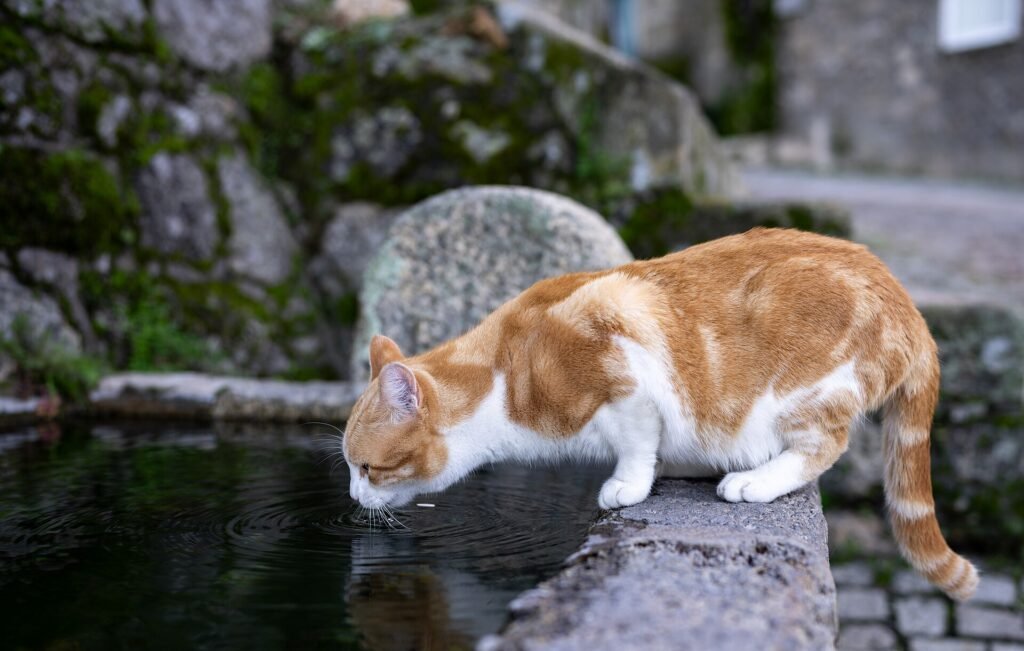
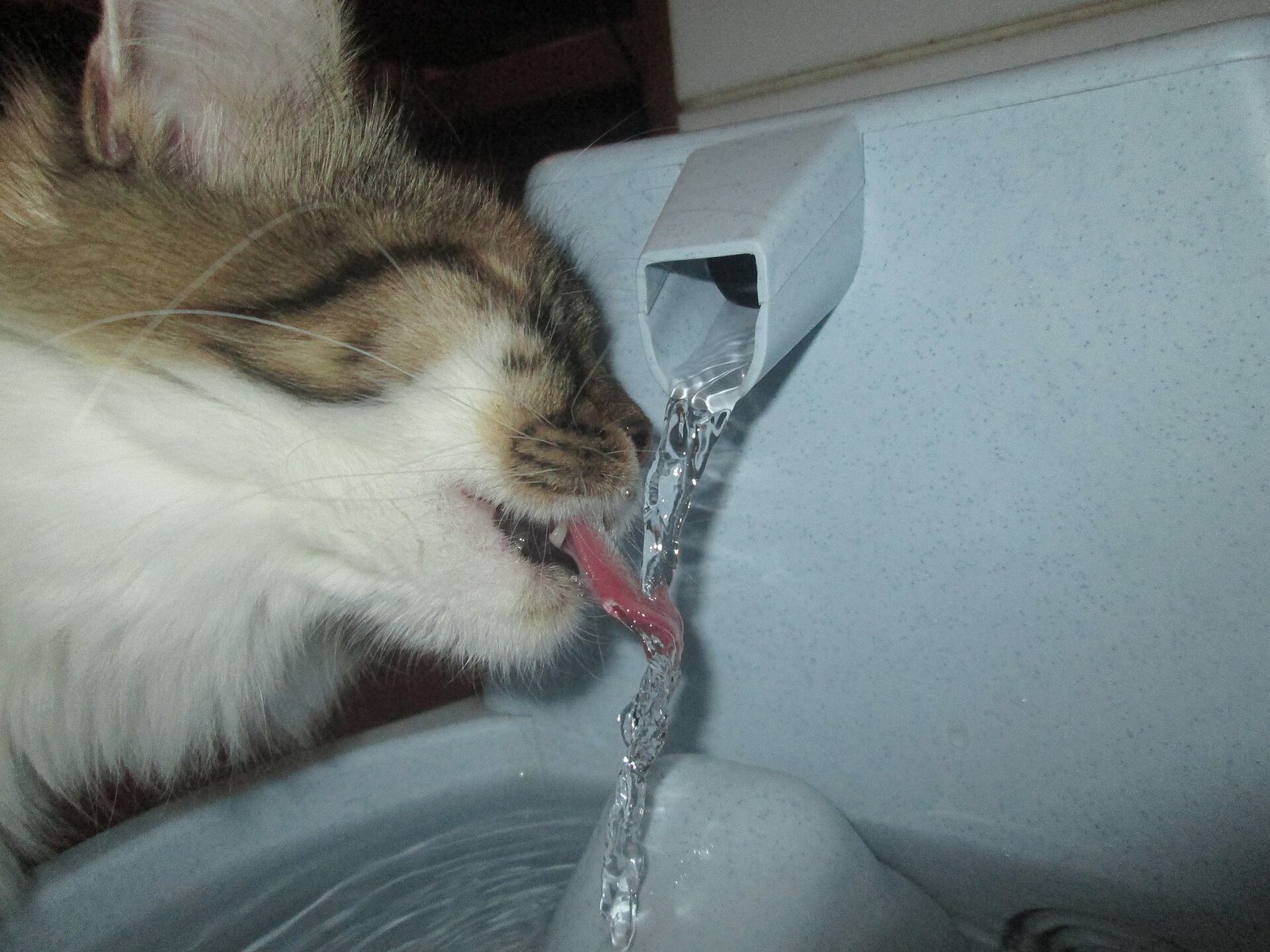
Moving water is genuinely appealing to many cats. “Most cats prefer to drink running water rather than stagnant water,” veterinarian Dr. Jonathan Roberts told The Dodo, explaining that cats evolved to detect water sources by sound. That preference is real, but the science is more nuanced than marketing suggests. One 2010 study in the Journal of Feline Medicine and Surgery found higher water intake from a fountain (31.6 vs. 22.9 ml/kg/day) yet no significant dilution of urine; a 2019 study found no significant intake difference between bowls, circulating fountains, and free-falling water; and a 2010 pilot study highlighted high individual variability. In plain terms: some cats clearly drink more from a fountain, while others don’t change at all.
Veterinarians still mention fountains as useful support for cats prone to cystitis, bladder or kidney stones, and chronic kidney disease. If your cat has a medical condition, ask your veterinarian first — and always keep a plain water bowl available, because some cats simply prefer still water.
Featured image: Photo by User:Charvex · PUBLIC DOMAIN
What cat water fountain reviews can and can’t tell you
Before comparing models, it helps to know what a review is actually evidence of. A useful review says how the product was tested, how long it was used, and what the trade-offs were. Vague praise without context — “cats love it” or “the best on the market” — is far less helpful than a specific note about noise, cleaning difficulty, or filter cost.
Even a well-reviewed fountain can be ignored by your particular cat. Cats have strong individual preferences for flow style, bowl depth, and location. The practical approach is to shortlist two or three fountains that fit your criteria, read reviews for those exact models, and then verify current price, stock, and filter replacement cost before ordering. Prices and availability change often, so always confirm details on the retailer’s current product page.
This site uses a comparison and buying-guide approach rather than a fixed ranking list. Our editorial policy explains how information is organized and where you should double-check product facts yourself.
Start with material: stainless steel, ceramic, or plastic
The material of the basin and reservoir affects hygiene, durability, and how pleasant the fountain is to live with. “Look for fountains made of nonporous materials, like metals, glass and ceramic,” Dr. Patricia Squillace, chief medical officer at Veterinary Care Group, told The Dodo, adding that ceramic should have a food-safe glaze.
| Material | Strengths | Trade-offs | Best fit |
|---|---|---|---|
| Stainless steel | Non-porous and resistant to bacteria, mold, and odor; durable; dishwasher-safe; smooth surface resists scratches | Usually pricier than plastic; some models are noisier when water hits metal | Most households; cats prone to chin acne |
| Ceramic | Non-porous with a food-safe glaze; heavy, so hard to tip over; keeps water cooler; attractive | Breakable if dropped; chips can expose porous material; check for lead-free, food-safe glaze | Homes that want style and stability |
| Plastic (BPA-free) | Lightweight, most affordable, widest variety of shapes | Scratches harbor bacteria over time; can absorb odors; may release compounds even when labeled BPA-free; linked to feline acne in some cats | Budget or temporary setups with frequent replacement |
The trade-offs above draw on Petcube’s material comparison and veterinary guidance on nonporous surfaces. Whichever material you choose, replace any part that becomes scratched or cracked — worn surfaces give bacteria a place to hide.
Features worth comparing in every model
Once you settle on a material, most cat water fountain reviews come down to the same five features.
Filtration system and filter cost
Most fountains use layered filters: foam to trap hair and debris, activated carbon to absorb odors and improve taste, and sometimes ion-exchange resin to soften hard water. Filters are a recurring expense, so check the replacement price and how often they need changing — many brands recommend every two to four weeks, though some designs stretch to 90 days. A cheap fountain with expensive, hard-to-find filters can cost more over a year than a higher-quality model.
Noise level
Pump noise and water flow are the two sources of sound. Bubbling designs are generally quieter than strong streams that splash into a metal basin. Modern pumps are often rated at or below 30 dB — roughly a soft hum — but any pump gets louder when the water level drops or the impeller collects debris. If the fountain will sit near a bedroom, or your cat startles easily, prioritize quiet models and keep the reservoir topped off.
Water capacity and flow type
A larger reservoir means fewer refills but more surface area to clean. A single cat usually does fine with a two- to three-liter model, while multi-cat households may want more. Flow types range from single or multiple streams to waterfalls and bubbling designs; each appeals to different cats, and there is no universal winner.
Corded vs. cordless
Corded fountains are the most common and never need charging, but they tie you to an outlet. Cordless models run on a rechargeable battery, so you can place the fountain anywhere — including rooms without an outlet — at the cost of remembering to charge it. A few cordless models activate by sensor when your cat approaches, saving battery and keeping water fresher between drinks.
Cleaning ease and pump access
This is the feature that decides whether you’ll actually maintain the fountain. Look for wide openings, dishwasher-safe parts, and a pump that opens without tools. As a rule of thumb from veterinarians, if cleaning takes more than five minutes, the design is probably too complicated to keep up with.
Flow styles and placement
Fountains come in a few common flow styles: flower-petal designs that let water fall from a raised center, waterfall designs with a broad cascading surface, and bubbling fountains where water wells up from the top. Each has a different noise profile and visual appeal, and some cats strongly prefer one over the others.
Placement matters as much as the fountain itself. Feline environmental guidelines from the ISFM and AAFP suggest keeping water away from food bowls and the litter box, placing it in a quiet location, and offering multiple drinking stations throughout the home. In multi-cat households, the guidance is roughly one water source per cat plus one extra, placed in separate spots to reduce competition. A fountain is an addition to your cat’s water supply, not a replacement for it — keep a bowl in another room as a backup.
Maintenance is the part most reviews understate
A fountain that isn’t cleaned becomes a hygiene problem instead of a solution. Veterinarians generally recommend a full clean once a week for most households, and every three to four days in multi-cat homes or when you notice slime. Filters should be replaced on the manufacturer’s schedule — often every two to four weeks — and the pump should be disassembled and scrubbed so hair and debris don’t clog the impeller.
Use mild, unscented dish soap and rinse thoroughly. Avoid bleach and harsh chemical cleaners. If you have hard water, a soak in equal parts white vinegar and warm water helps dissolve mineral buildup — rinse well afterward so no vinegar smell remains. Never let the pump run dry, and top off the water so the pump stays submerged.
How to make your final decision
- Choose the material that fits your hygiene standards and budget — stainless steel or food-safe ceramic for most homes.
- Match capacity to your household: a larger reservoir for multiple cats or busy weeks.
- Decide corded vs. cordless based on where the fountain can actually sit.
- Confirm filter replacement price and availability before you buy, not after.
- Read reviews for the specific models on your shortlist, focusing on noise and cleaning feedback.
- Verify the current price, stock, and included accessories on the retailer’s page.
- Keep a plain water bowl in another room and give your cat a few days to adjust.
For a deeper walkthrough of model categories, see our practical guide to the best cat water fountain, or the focused guide on best cat water fountains for indoor cats. You can also browse all our buying guides.
Frequently asked questions
Do cat water fountains actually make cats drink more?
For some cats, yes. A 2010 study in the Journal of Feline Medicine and Surgery found higher average intake from a fountain, while a 2019 study found no significant difference overall. The evidence points to strong individual variation: cats with a clear preference for moving water are the ones most likely to benefit.
Which material is best for a cat water fountain?
Stainless steel and food-safe ceramic are the most hygienic choices because they’re non-porous and resist bacteria. Plastic is affordable and lightweight, but it can scratch, absorb odors, and is linked to chin acne in some cats.
How often should I clean the fountain and change the filter?
Most vets recommend a full clean once a week, and every three to four days in multi-cat households. Filters typically need replacing every two to four weeks for many brands — check your fountain’s manual for its specific schedule.
Are cat water fountains safe?
Yes, when maintained properly. Choose a fountain made from non-toxic materials, clean it on schedule, avoid harsh chemicals, and supervise the first few days so you can spot any problem with the pump or water flow.
Will a fountain help a picky cat drink more?
Possibly. Some picky cats respond to the sound and movement of flowing water, while others prefer a plain bowl. Try a bubbling or waterfall design, place it away from food and noise, and keep a bowl available as an alternative.
Sources
- The Dodo — Best Cat Water Fountains, According to Veterinarians
- Petcube — How to Pick the Best Fountain Material for Your Pet
- CATLINK — Cat Water Fountain vs. Bowl: What the Science Says
- Nutrience — How Cat Urinary Issues Develop
- Cat Water Fountains — How to Clean a Cat Water Fountain
- Meow Servant — Cat Water Fountain Guide: Types, Materials & Maintenance
Disclosure: This article is part of an Amazon affiliate publication. If you buy through links on this site, we may earn a commission at no extra cost to you. Our recommendations are independent, and we never let commissions influence what we publish. Read our full affiliate disclosure for details.